
Refusing the Expiry Date
The wrong measure of normal

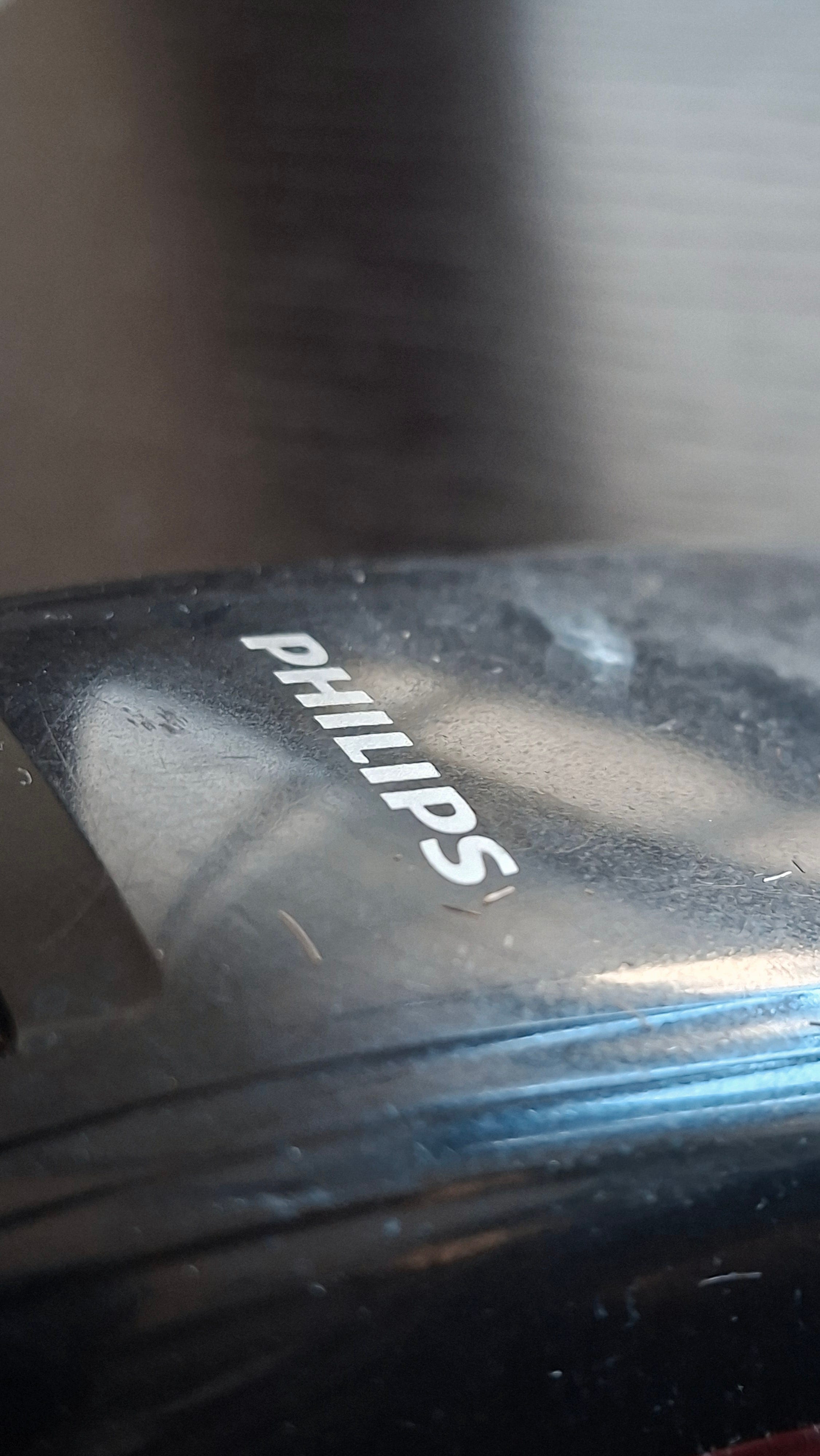
Ahead of Father’s Day, not on the day itself, my daughters handed me a bag and told me to open it now, because the week ahead wasn’t going to leave room for it. No wrapping paper. They know me well enough to know the occasion isn’t the part I care about, and the bag gave the brand away before I’d even looked inside. A new shaving machine. I felt exactly the excitement I’d have felt unwrapping it properly, which told me something I hadn’t expected: that the wrapping had never mattered, I’d never noticed it didn’t.
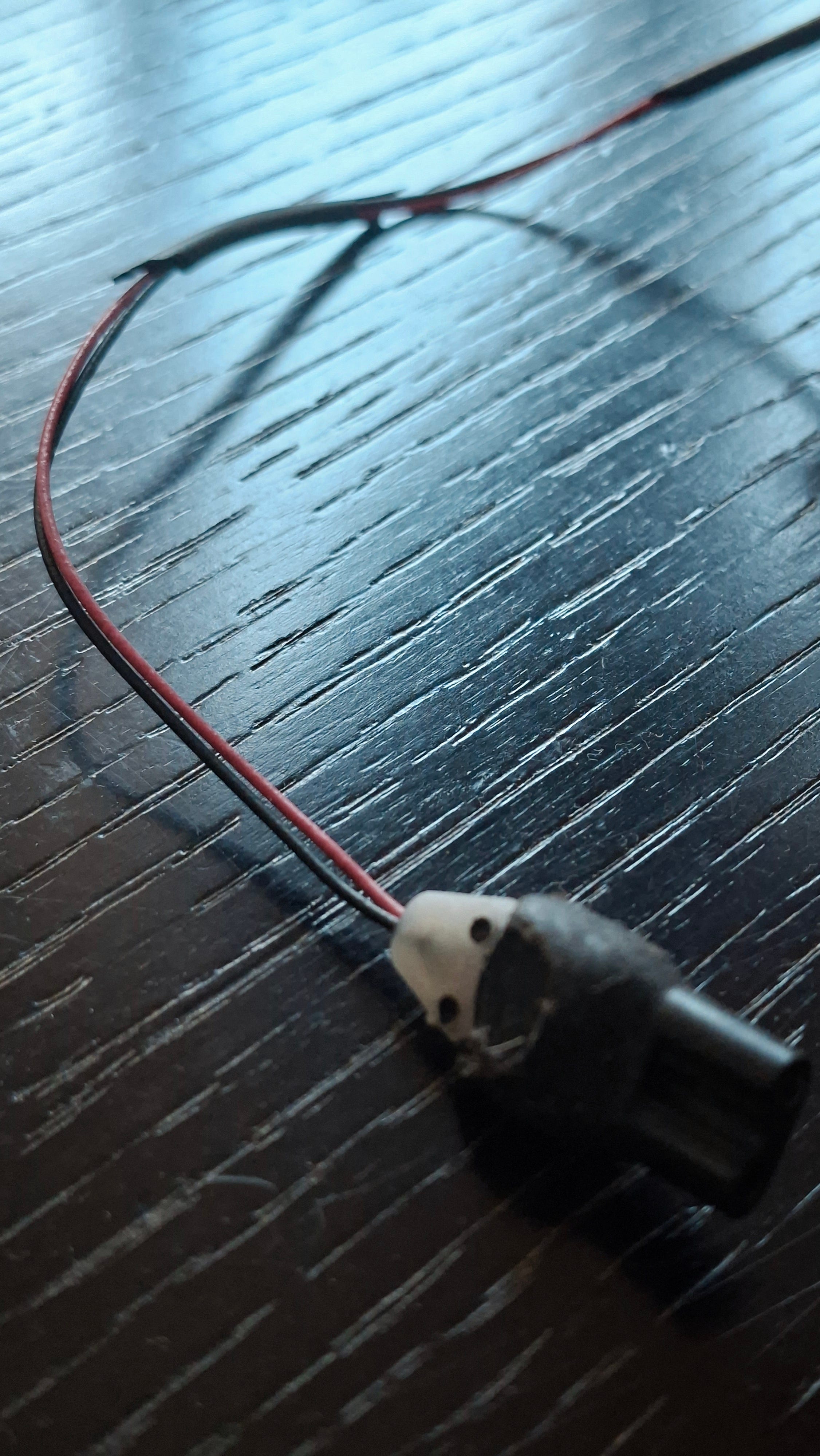
The one it was replacing had been sitting by the sink for fifteen years. The plastic faded, but not as badly as one would assume, they built them tough back then. The cable, the one that has to stay plugged into the wall while you stand over running water, had worn through near the plug itself, a thin seam of copper catching the light if you turned it. The motor still spun. It made the right noise. It simply hadn’t done what it claimed to do in years.
My wife had been telling me to replace it for most of those years. Not once, properly, repeatedly, with the specific exasperation of someone who’s made the same argument to the same person more times than either of you can count. It wasn’t until a professional shaved me, somewhere else, that I understood what she meant. I’d stopped noticing what a proper shave felt like. The old machine had lowered what I expected so slowly that I never caught it moving.
There’s a thing about me that explains more than I usually admit. I find real discipline in routine, in structure, in doing the same thing the same way until it no longer requires thought. And at the same time, I need to be building something new, trying what I haven’t tried, living somewhere on the margin of my own life rather than the centre of it. Those two things shouldn’t sit comfortably together, and most of the time they don’t. It’s the gap between them that gets me misunderstood by people and occasionally gets me to misunderstand them too. I can rebuild a year of myself from nothing and still keep a fifteen-year-old razor by the sink out of pure stubbornness.
This past year, I started something private, born out of a genuinely dark stretch I’m not ready to write about yet, that one’s a whole piece for later. What I can say is that the year forced me to look at where I’d put my attachments, and what I found wasn’t flattering. Certain areas of my life, parts of my character, even people, I’d quietly placed at a height they never asked to occupy. And then, when they couldn’t sustain that height, I held it against them. Not loudly. Just steadily, the way resentment builds when you’ve decided something disappointed you without ever telling it the terms it was supposed to meet.
The attachment itself wasn’t the failure. It had earned its place fairly, every bit of it. What it never earned was the right to remain that strong, or last that long, simply because I’d stopped checking whether it still deserved the position I’d given it.
That’s the part I had to own without finding somewhere else to put it. Not the area, not the person, not the machine. Me. The decision was mine to make, and I kept declining to make it, then calling the consequences someone else’s doing. Tough love, if there’s a kinder name for it I haven’t found one, meant admitting that the shaving machine had already done its job, fully, honestly, years ago, and I’d simply kept asking more of it long after it had nothing more to give. Then I complained about the dullness. About the hazard by the sink. As if the machine had betrayed an agreement, rather than me refusing to notice it had already kept its end completely. “You don’t know what you want,” my wife calls it, the same line she’d reach for whenever this came up in other forms over the years. It never was that. Indecisiveness just leaves things where they sit. What I did was lift something past where it stood, then resent it for not staying level with where I’d put it.
I watched something similar happen at work, on a larger and uglier scale. A colleague there was exceptional at his craft and genuinely difficult to be near, condescending, sharp in the way that wears people down rather than out. Leadership kept him because the money he brought in made the decision feel unnecessary. People left quietly underneath him for years before he eventually left for somewhere else entirely. When he did, the gap wasn’t the loss everyone had braced for. It was clarity, the kind that only arrives once you stop protecting the thing that earned your patience long after it had any right to keep collecting it.
إِنَّ اللَّهَ لَا يُِعيَّرُِ مَا بِقَوْمٍ حَتَّى يُِعيَّرُوا مَا بِأَنْفُِسِهِمْ
“Indeed, Allah does not change the condition of a people until they change what is in themselves.”
(Surah Ar-Ra’d, 13:11)
I’d always read that ayah as something pointed at nations, at history, the large scale the word people invites you to imagine. It isn’t. It’s pointed at a bathroom cabinet and the inside of someone’s own head at two in the morning. Nothing around me was going to shift while the part of me that kept mistaking attachment for obligation stayed exactly where it was. The machine wasn’t going to fail loudly enough to decide for me. The condition outside always waits on the condition inside, no matter how small the stage looks from the outside.
The new machine works exactly as it should, every morning, and I notice the difference each time, which tells you precisely how long I’d been living with the wrong measure of normal. The old one is in the bin now, not a drawer, not a box of things I might come back to. It’s no longer mine, it stopped being mine for a long time, and there’s nothing left to decide about it.
The razor never broke a promise. I just refused the expiry date.
Keep creating
Thanks for reading Within the Margin of Error! I truly appreciate you taking the time to read my words. I hope I was able to bring you some value in exchange.